
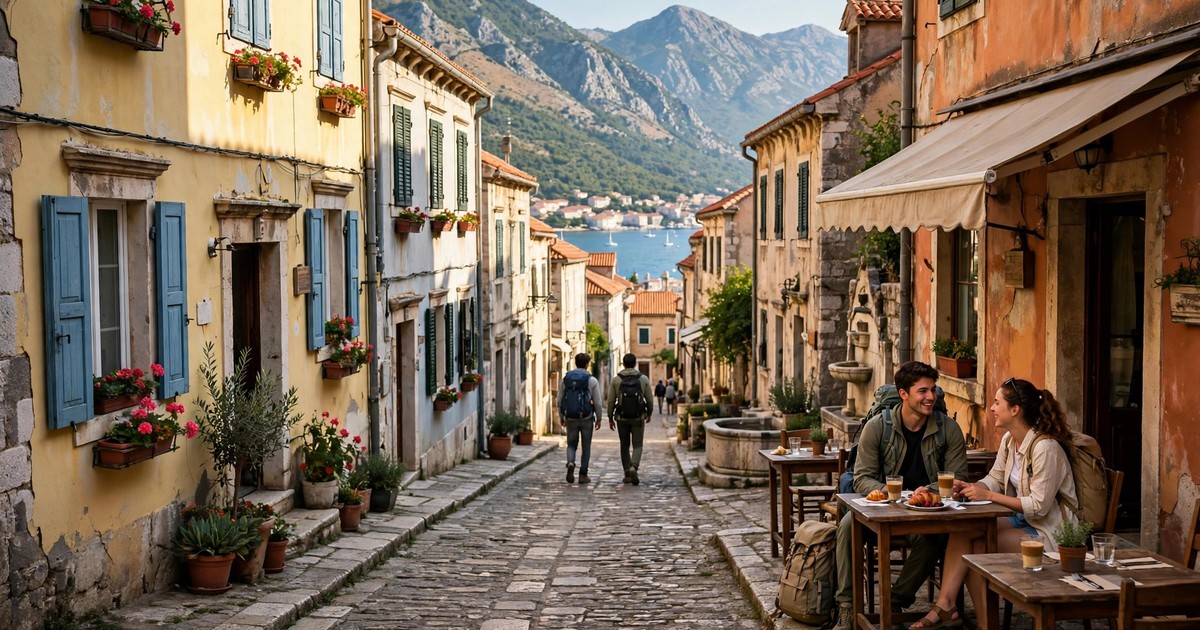
Europe has a reputation for being expensive, and in cities like Paris, Zurich, Copenhagen, and Amsterdam, that reputation is well earned. But Europe is not one price level. Travel a few hundred kilometres east or south, choose shoulder season instead of August, and eat where local families eat, and the same continent can feel surprisingly affordable — without hostels with broken showers, without skipping museums, and without living on plain bread.
This guide looks at the cheapest European countries to travel in 2026 where a lower budget still buys a good experience: comfortable small hotels and apartments, sit-down meals, reliable trains and buses, historic old towns, mountains, and coastlines. All prices below are indicative ranges for 2026 planning, not guarantees. Exchange rates, inflation, and local events move prices quickly, so always check current costs before you book.
How to Read the Daily Budgets in This Guide
A useful daily budget includes three things: where you sleep, what you eat and drink, and how you move around, plus one paid activity. It does not include international flights to reach the country.
As a rough guide for the countries below:
- Budget traveller: €35–€60 per day — private room or good hostel, bakery breakfasts, one simple restaurant meal, public transport, free walking tours and one low-cost attraction.
- Mid-range traveller: €60–€110 per day — central 3-star hotel or apartment, two restaurant meals, intercity trains, museums and day trips.
- Comfortable traveller: €110–€160 per day — better hotel, nicer restaurants, taxis occasionally, guided tours — still far below a similar day in Western Europe’s most expensive capitals.
Albania: The Mediterranean Without Mediterranean Prices
Albania is often the first name mentioned for value in 2026, and for good reason. It has an Adriatic and Ionian coastline, Ottoman old towns, Roman ruins, and dramatic mountains — at prices that feel a decade behind neighbouring Greece and Italy.
Tirana, the capital, is lively, colourful, and easy to enjoy on foot. Museums, cable-car views from Mount Dajti, and a strong café culture fill a day cheaply. On the coast, Sarandë and Ksamil are popular for beaches, while Berat and Gjirokastër offer stone old towns that are UNESCO-listed and far quieter.
Indicative costs: a mid-range double room €35–€65, a main course in a local restaurant €6–€12, a city bus ride under €1, and intercity buses €5–€15 depending on distance. A mid-range day often lands around €55–€85.
Best value bases: Tirana for transport links, Berat for history, and Shkodër as a gateway to the Albanian Alps around Theth and Valbona, where guesthouse stays with home-cooked meals are excellent value.
Practical note: cash is still useful outside Tirana, cards are not accepted everywhere, and mountain roads take longer than the map suggests. Allow time rather than spending money rushing.
North Macedonia: Lakes, History, and Very Low Everyday Costs
North Macedonia is one of Europe’s best-value landlocked countries. Skopje mixes grand squares, an old bazaar, and fortress views, while Lake Ohrid — one of Europe’s oldest and deepest lakes — is the real highlight. Ohrid’s churches, lakeside promenades, and boat trips feel like a resort holiday at inland prices.
Indicative costs: mid-range rooms €30–€55, restaurant mains €5–€10, local wine and beer very affordable, and buses between Skopje and Ohrid typically €8–€14. A comfortable day can stay near €50–€80.
Food helps the budget here. Grilled meats, shopska salad, baked beans known as tavče gravče, and fresh lake fish in Ohrid are filling and inexpensive in family-run restaurants away from the main lakefront.
Bulgaria: Black Sea Coast, Mountains, and Historic Cities
Bulgaria offers variety for the money: Sofia’s churches and museums, Plovdiv’s Roman amphitheatre and old town, Veliko Tarnovo’s fortress, Bansko and Borovets for skiing and hiking, and Black Sea resorts around Varna and Burgas.
Prices rise in Sunny Beach in August and in ski resorts at New Year, but outside those peaks Bulgaria is consistently affordable. Indicative costs: mid-range hotel €35–€60, restaurant main €7–€13, a day lift pass in season often cheaper than in the Alps by a wide margin, and trains or buses between major cities €6–€16.
Romania: Castles, Medieval Towns, and Great Train Value
Romania gives travellers a lot of country for their money. Bucharest has grand boulevards and a lively old town, Brașov sits under forested mountains near Bran Castle, Sibiu and Sighișoara preserve Saxon medieval streets, Cluj-Napoca is a youthful university city, and the Carpathians and Danube Delta reward those who go further.
Indicative costs: mid-range room €35–€65, restaurant main €7–€14, intercity trains €8–€20 for longer routes if booked sensibly, and museum entries usually €3–€8. A mid-range day of €60–€95 is realistic outside Bucharest’s most central hotels.
Romania is ideal for a rail itinerary because distances are meaningful but manageable, and staying three nights per base cuts both cost and stress. Renting a car helps for villages and mountain roads, but compare total costs — fuel, parking, and insurance — before assuming it is cheaper than trains plus occasional taxis.
Poland: Big-City Culture at Smaller Prices
Poland is not as cheap as it was a decade ago, especially in Kraków and Warsaw in peak season, but it remains excellent value for the quality you get: world-class museums, beautifully rebuilt old towns, efficient trains, and a food scene that ranges from milk bars to modern Polish restaurants.
Kraków is the classic first trip — main square, Wawel Castle, Kazimierz district, and day trips to Auschwitz-Birkenau Memorial and the Wieliczka Salt Mine, both of which should be booked through official channels. Gdańsk offers Baltic history and coast, Wrocław is colourful and relaxed, and Poznań is often cheaper and less crowded.
Indicative costs: mid-range hotel €45–€80, restaurant main €8–€15, milk-bar meals €4–€7, city transport day passes good value, and fast trains between major cities €12–€30 when booked ahead. A mid-range day is typically €65–€105.
The saving trick in Poland is simple: book trains early, eat one meal a day in a bar mleczny (milk bar) for authentic, filling food, and use free museum days where offered — many museums have one free day per week for permanent exhibitions.
Hungary: Budapest’s Grandeur for Less
Budapest alone puts Hungary on this list. Thermal baths, parliament views over the Danube, ruin bars, grand cafés, and castle and basilica skylines deliver a capital-city experience that usually costs less than Vienna, its imperial neighbour a few hours away.
Indicative costs: mid-range hotel or apartment €45–€85, restaurant main €8–€16, thermal bath entry €20–€30 depending on the bath and day — not cheap, but a signature experience worth budgeting for once — and excellent public transport with travel cards that quickly pay for themselves. A mid-range day is usually €65–€110.
Portugal: Western Europe’s Relative Bargain
Portugal is no longer “cheap” in Lisbon in August — rents and tourism have pushed prices up — but compared with Spain’s most popular cities, France, and Italy, it remains Western Europe’s relative value choice, especially outside Lisbon and the Algarve in peak summer.
Porto is often better value than Lisbon, with riverside Ribeira, port cellars across the river in Vila Nova de Gaia, and good food at fair prices. Coimbra, Braga, and Évora are rewarding and cheaper still. In the Algarve, base in Lagos or Tavira outside peak weeks, or visit in May and October for beach weather without peak rates.
Indicative costs: mid-range hotel €55–€95 (higher in Lisbon in summer), menu do dia lunch €10–€15, pastel de nata and coffee €2–€4, and trains between Lisbon and Porto €15–€35 when booked early. A realistic mid-range day is €75–€120, lower in smaller cities and winter.
Bosnia and Herzegovina: Deep History, Low Costs
Bosnia and Herzegovina is one of Europe’s most underrated value destinations. Sarajevo’s old bazaar, Baščaršija, its mosques, churches, and synagogue within a short walk, and its moving 20th-century history make it a city that stays with you. Mostar’s Stari Most bridge and old town are famous, and visiting early or late in the day avoids day-trip crowds.
Indicative costs: mid-range room €30–€55, ćevapi and other local mains €5–€10, coffee €1–€2, and buses between Sarajevo and Mostar €10–€18. A mid-range day around €50–€80 is common.
When to Go for the Best Value
The single biggest saving is timing. For most of these countries:
- Best value and weather balance: April to June and September to October. Warm enough for coast and mountains in the south, pleasant in cities further north, and prices below peak.
- Cheapest but colder: November to March, excluding Christmas, New Year, and ski peaks. City breaks in Poland, Hungary, Romania, and Bulgaria are excellent value then — pack properly and enjoy museums, cafés, and baths.
- Most expensive: mid-July to late August, Easter week, and local festival dates. If you must travel then, book early, stay slightly outside the centre, and travel midweek.
How to Save Money Without Ruining the Experience
Saving well is about swapping, not skipping. Stay in a family hotel with breakfast instead of a chain on the main square. Take the train one class sensibly and enjoy the view. Eat your main meal at lunch. Choose one paid highlight per day — a bath in Budapest, a boat trip on Lake Ohrid, a guided old-town walk in Mostar — and fill the rest with free pleasures: markets, viewpoints, churches where entry is free, parks, and wandering.
Safety and Practical Tips
These countries are, in general, safe for ordinary travellers using ordinary common sense. Petty theft is the main risk in crowded transport and tourist centres anywhere in Europe, so keep valuables secure and be wary of distraction scams. Check your government’s current travel advice before departure, arrange travel insurance that covers medical care and your planned activities, and confirm whether you need a visa or entry registration — rules differ for EU and non-EU passport holders and change over time.
Frequently Asked Questions
What is the cheapest European country to visit in 2026?
Albania, North Macedonia, and Bosnia and Herzegovina usually offer the lowest everyday costs for food, rooms, and transport, while Bulgaria and Romania are close behind with more extensive rail networks. The cheapest country for your trip also depends on flight prices from where you live.
How much do I need per day for a comfortable trip?
For the countries in this guide, €60–€110 per person per day covers a central mid-range room shared between two, two decent meals, local transport, and one attraction. Solo travellers pay more per person because rooms are not shared.
Is Eastern Europe safe for first-time travellers?
Yes, for most visitors using normal precautions. The main issues are the same as elsewhere in Europe: pickpocketing in crowds, taxi overcharging in a few places, and road safety on rural routes. Check current official advice and get insurance.
When is the cheapest month to travel?
January, February, and November are often cheapest for city breaks outside ski resorts, but weather is cold. For a balance of price and experience, late April, May, and October are usually better choices.
Sources / Note
Budgets in this article are indicative planning ranges based on typical 2025–2026 prices for mid-range hotels, local restaurants, and public transport in the destinations mentioned, cross-checked against official tourism and transport information available at the time of writing. Prices are not guaranteed: exchange rates, inflation, season, and local events change costs quickly. Always check current prices for accommodation, transport, and attractions, and check official travel advice and entry requirements, before you travel.
Leave a Reply